
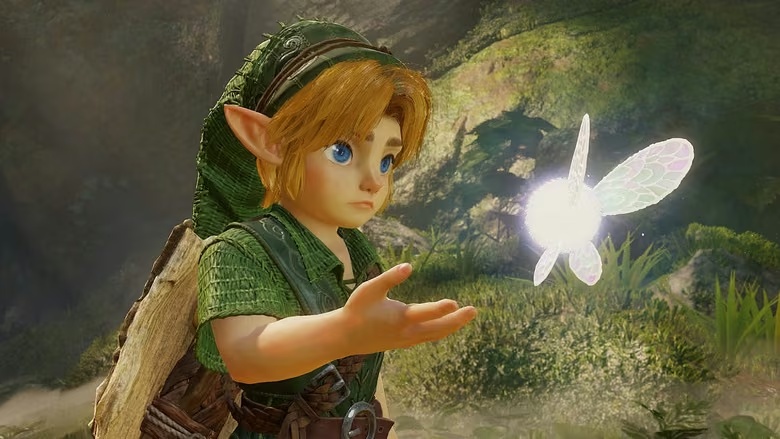
Puppet Aesthetics in a New Take on the Classic
Following the first gameplay demonstration of the The Legend of Zelda: Ocarina of Time remake for the Nintendo Switch 2, fans' attention was particularly drawn to the characters' unique visual style. Former Nintendo artist Takaya Imamura had previously suggested that puppet theater might have influenced this design. Now, the company has officially confirmed it.
In the latest edition of the "Ask the Developer" feature, series producer Eiji Aonuma and remake art director Aya Shida shared details about crafting the new look of Hyrule.
A Blend of Realism, Fairytale, and Nostalgia
According to Aya Shida, the team did not aim to make the game purely photorealistic. The primary goal was to convey the distinct atmosphere of the original:
- World Contrast: Gloomy yet majestic Hyrule contrasts with its vibrant, somewhat quirky inhabitants.
- Key Reference Points: During the early stages, the developers relied on concepts of a "puppet show feel" and the "analog aesthetic of films with practical special effects."
- Organicity: The first asset created was a detailed 3D Deku Tree, to which the models of Link, Zelda, and other characters were gradually tailored.
Producer Eiji Aonuma noted that during the development of the original Nintendo 64 game, the developers focused on the cutting-edge technology of the time. However, now it was precisely the puppet style that allowed the team to convey a warm sense of nostalgia while preserving the fairytale atmosphere of the legendary adventure.

Comments ...